The AI tutor your kid thinks is a game.
Ako plays alongside your child through 98 hands-on lessons — volcanoes, fractions, fossils, circuits — then tells you each week what clicked and what needs practice. Ages 7–12.
How it works
Three steps. The first two are your kid’s job. The last one is Ako’s.
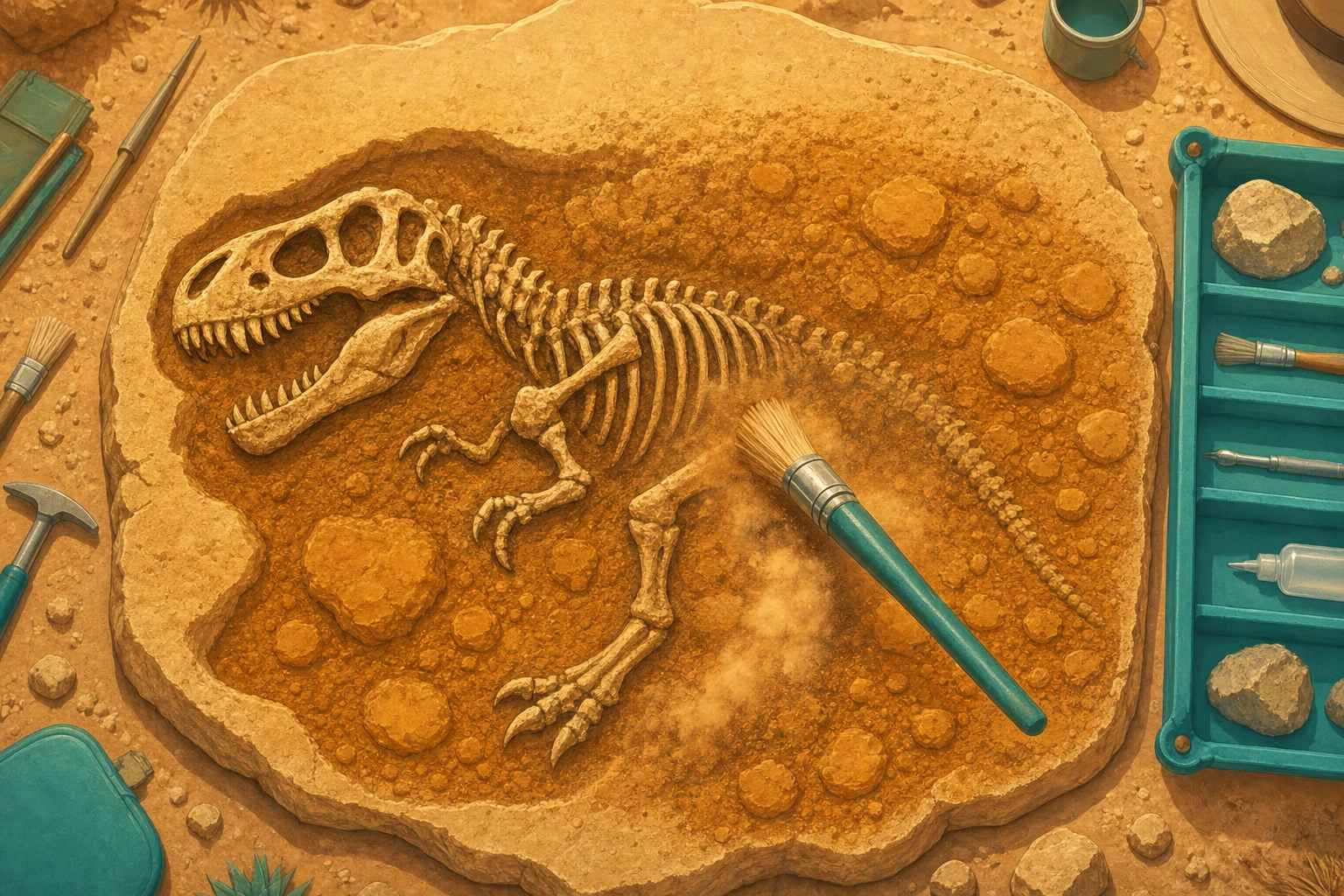 They pick something cool
Dig up a dinosaur. Erupt a volcano. Every lesson is a little lab they run with their hands — no videos, no worksheets.
Ako watches every move and talks with them out loud — asking for predictions, never just giving the answer.
 This week with Emma
Nailed equivalent fractions. Still rushing the minute hand — I’ll bring clocks back next week. — Ako
Every week Ako writes to you: what clicked, what needs practice, and what he’ll try next.
Erupt a volcano. Balance an equation. Dig up a dinosaur.
98 lessons, zero videos, zero worksheets. Every lesson is a small lab your child runs with their hands. Covers the concepts kids meet in elementary and middle school.
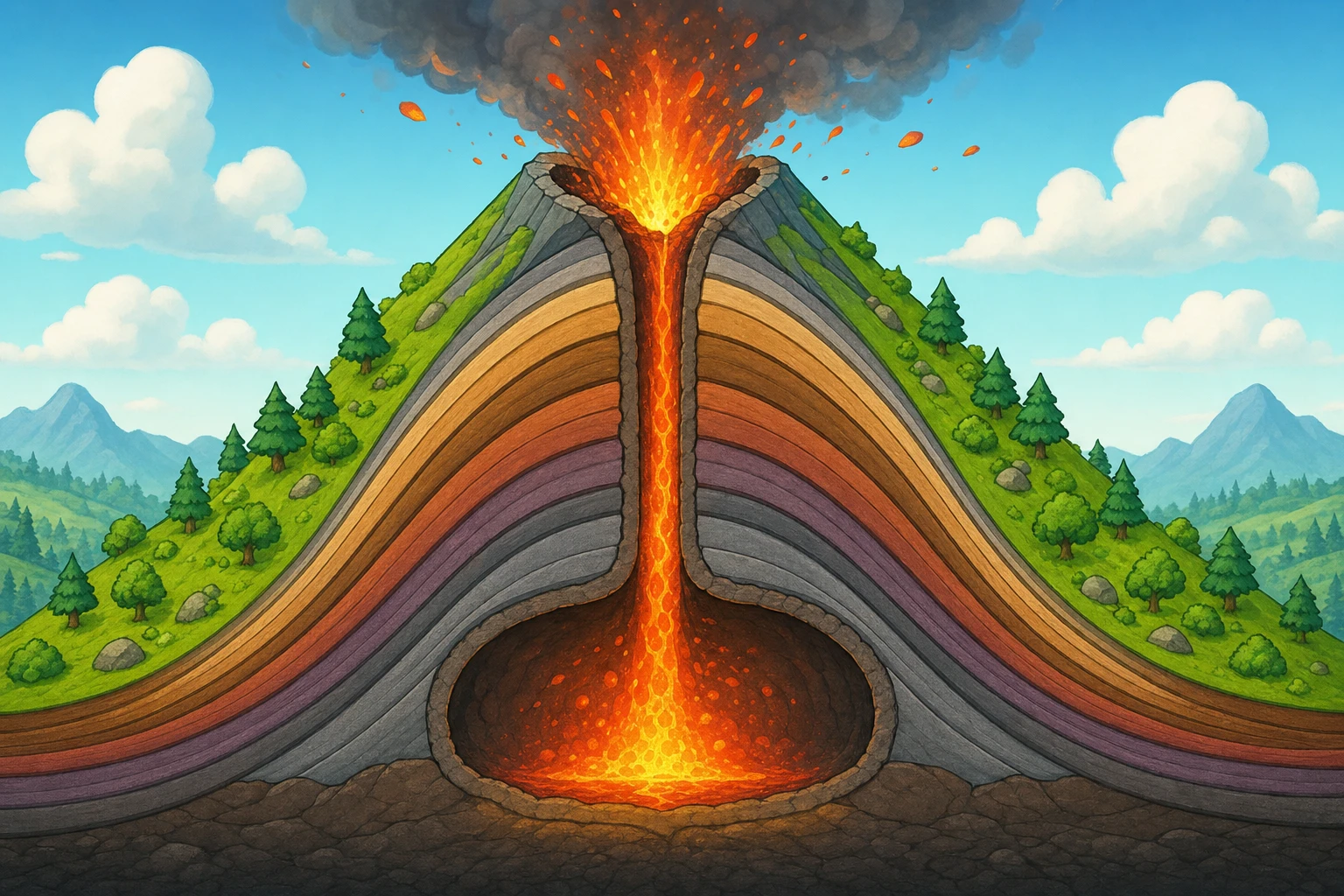 Earth ScienceVolcano Inside
Heat and expanding trapped gas build pressure in a magma chamber; that pressure forces magma up a vent, and more stored pressure produces a bigger eruption.
 PhysicsOrbit Lab
An orbit is constant falling: gravity bends sideways motion around a planet, while too little sideways speed crashes and too much escapes.
Earth and Life ScienceFossil DigFossils are clues preserved in rock; palaeontologists carefully uncover their shapes and positions, then fit that evidence together to infer what an extinct animal looked like.
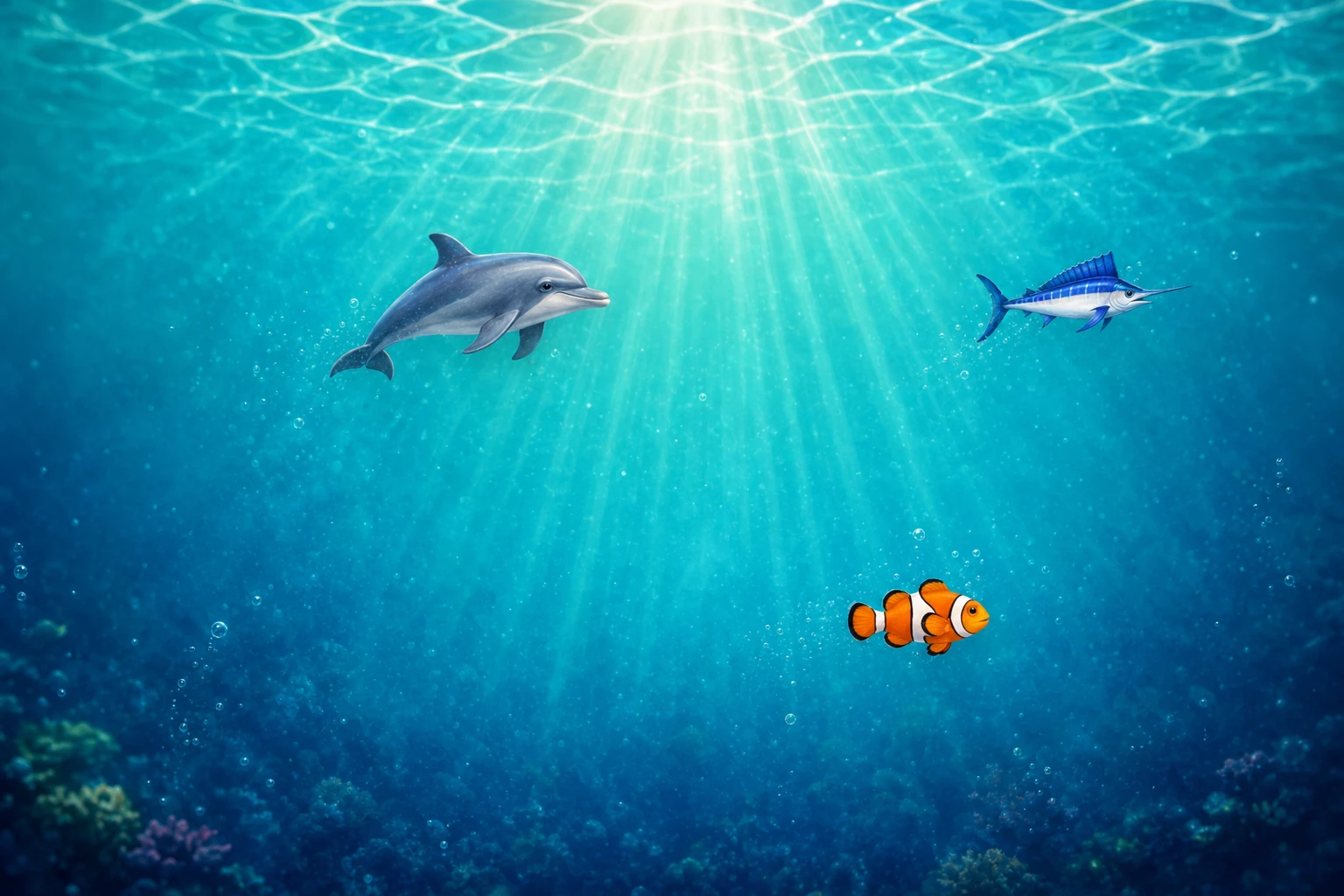 Life and Earth ScienceOcean Deep
The ocean changes in zones with depth: sunlight fades, temperature falls, and pressure rises, so animals need different adaptations to live at different depths.
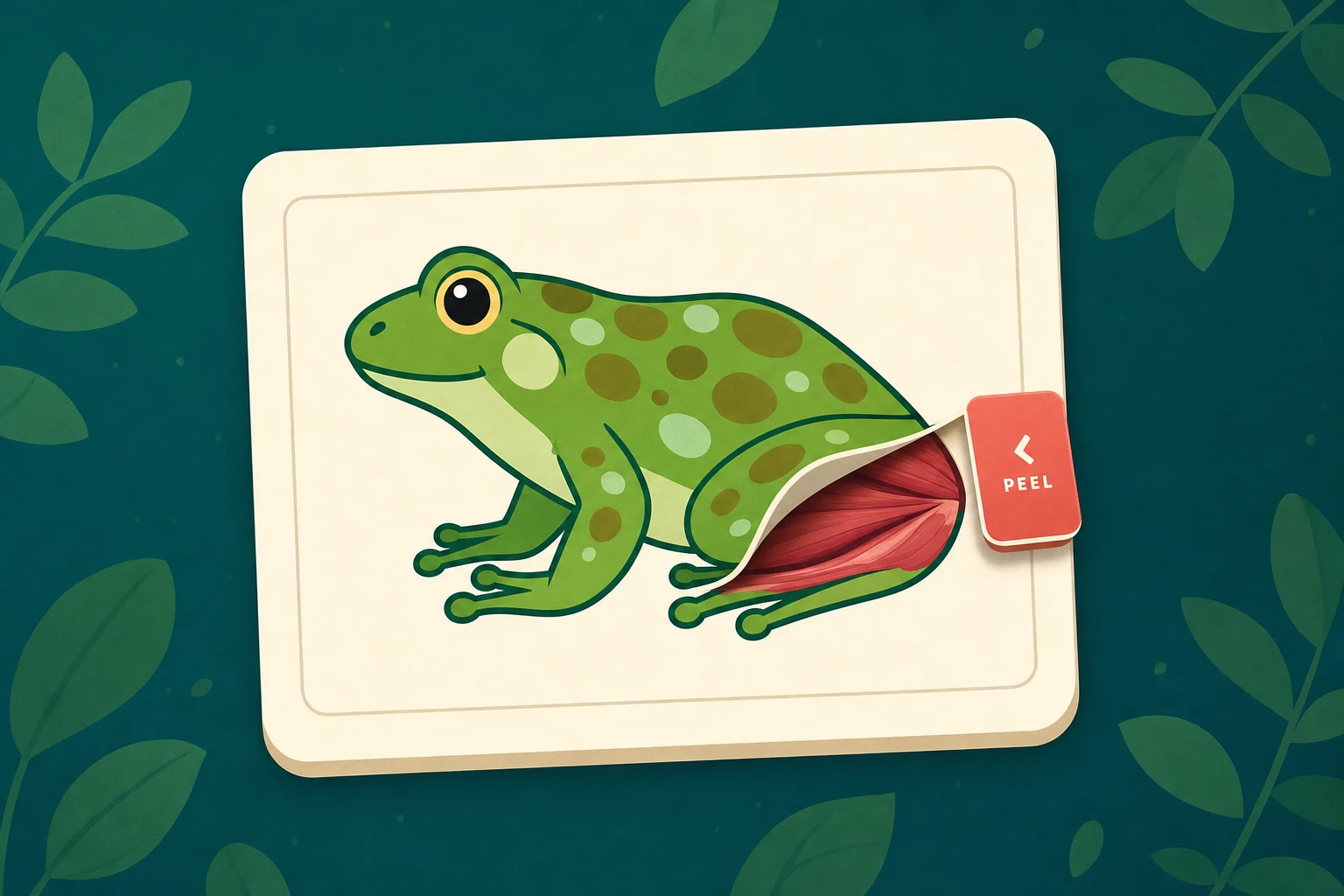 Life ScienceBody Explorer
Animal bodies contain fitted layers—skin, muscles, organs, and skeleton—that work together inside differently shaped animals.
What’s your kid into?
Pick a few interests — we’ll show you the lessons they’ll ask to play again.
Pick one or two — Ako will take it from there.
Tutors are great. So are games. Ako is both.
What you actually get, compared with the other ways kids spend an hour.
| A private tutor | Learning apps | Video games | Ako | |
|---|---|---|---|---|
| Your kid asks to do it | ✗ | ✗ | ✓ | ✓ |
| Talks with your child, out loud | ✓ | ✗ | ✗ | ✓ |
| Watches how they think, not just answers | ✓ | ✗ | ✗ | ✓ |
| Adapts on the spot | ✓ | ~ | ✗ | ✓ |
| Tells you how it went | ✓ | ~ | ✗ | ✓ |
| Available whenever your kid is | ✗ | ✓ | ✓ | ✓ |
| Cost per month | $200+ | $10–15 | $0–20 | $15 |
“~” = some do, most don’t. Tutor pricing: one hour a week at typical rates.
You’ll actually know how it’s going.
Every week Ako writes to you — not a dashboard you have to remember to check. A short note, like a tutor would send after a session.
This week with EmmaEmma spent 2h 10m across 6 lessons. She nailed equivalent fractions — 9 predictions in a row on the transfer level. We’re still working on reading clock hands past the half hour; she rushes the minute hand. I’ll bring it back in a different lesson next week.
— Ako
Let your kid meet Ako.
One free lesson. No account. If they don’t ask to keep going, don’t subscribe.